· deepdives · 7 min read
Navigating the Controversies: Are Payment Request APIs Safe for User Data?
A practical, balanced look at the privacy and security concerns around the Payment Request API - what it does, what it exposes, who can exploit it, and exactly what developers and product teams should do to protect users' data.
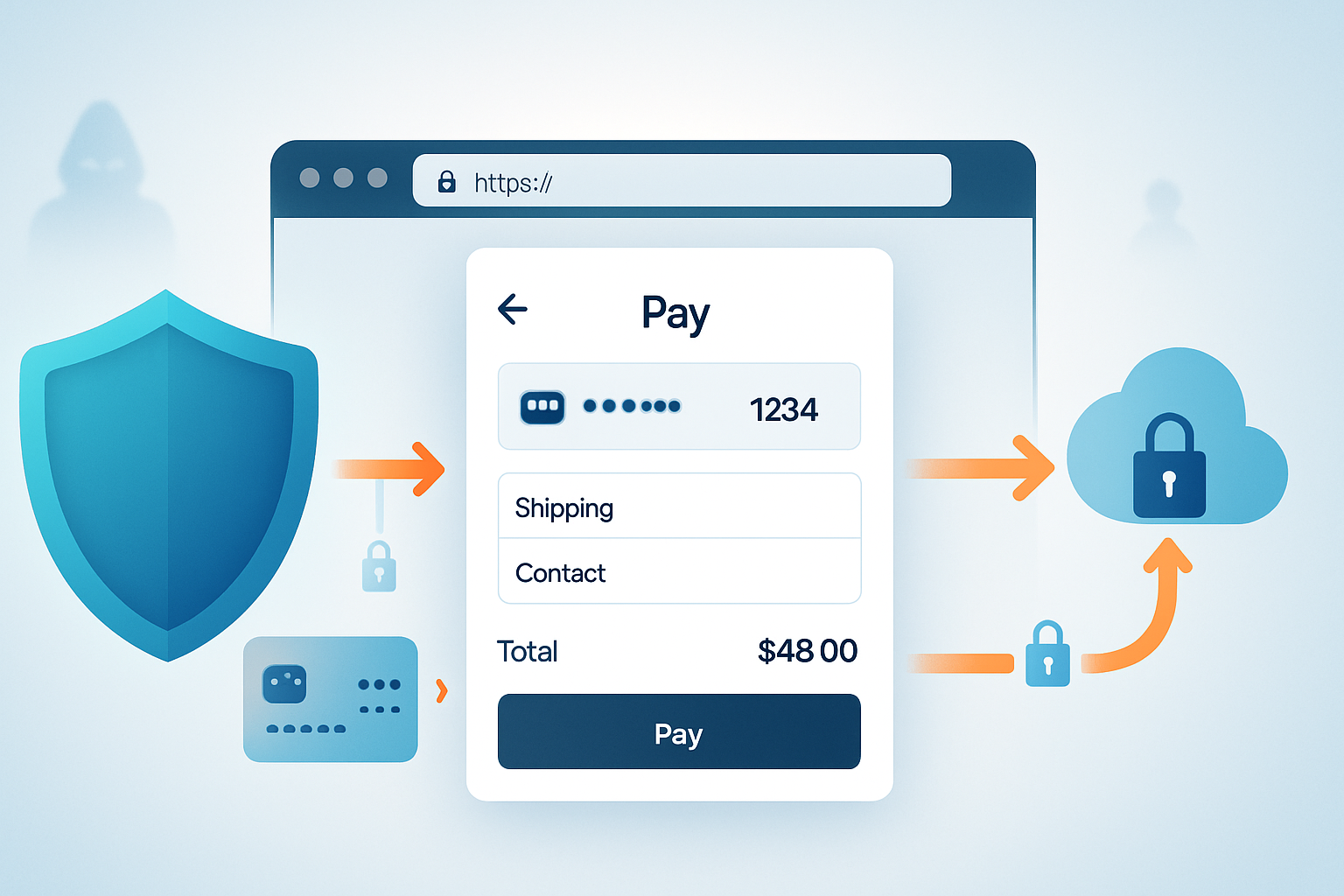
What you’ll get from this article
You’ll walk away with a clear answer to whether the Payment Request API is safe for user data, a realistic threat model, and a practical checklist you can apply today to reduce risk when implementing it. Read on to separate the headlines from the engineering realities - and to get actionable protections you can use right now.
Quick orientation: what is the Payment Request API? (Two sentences.)
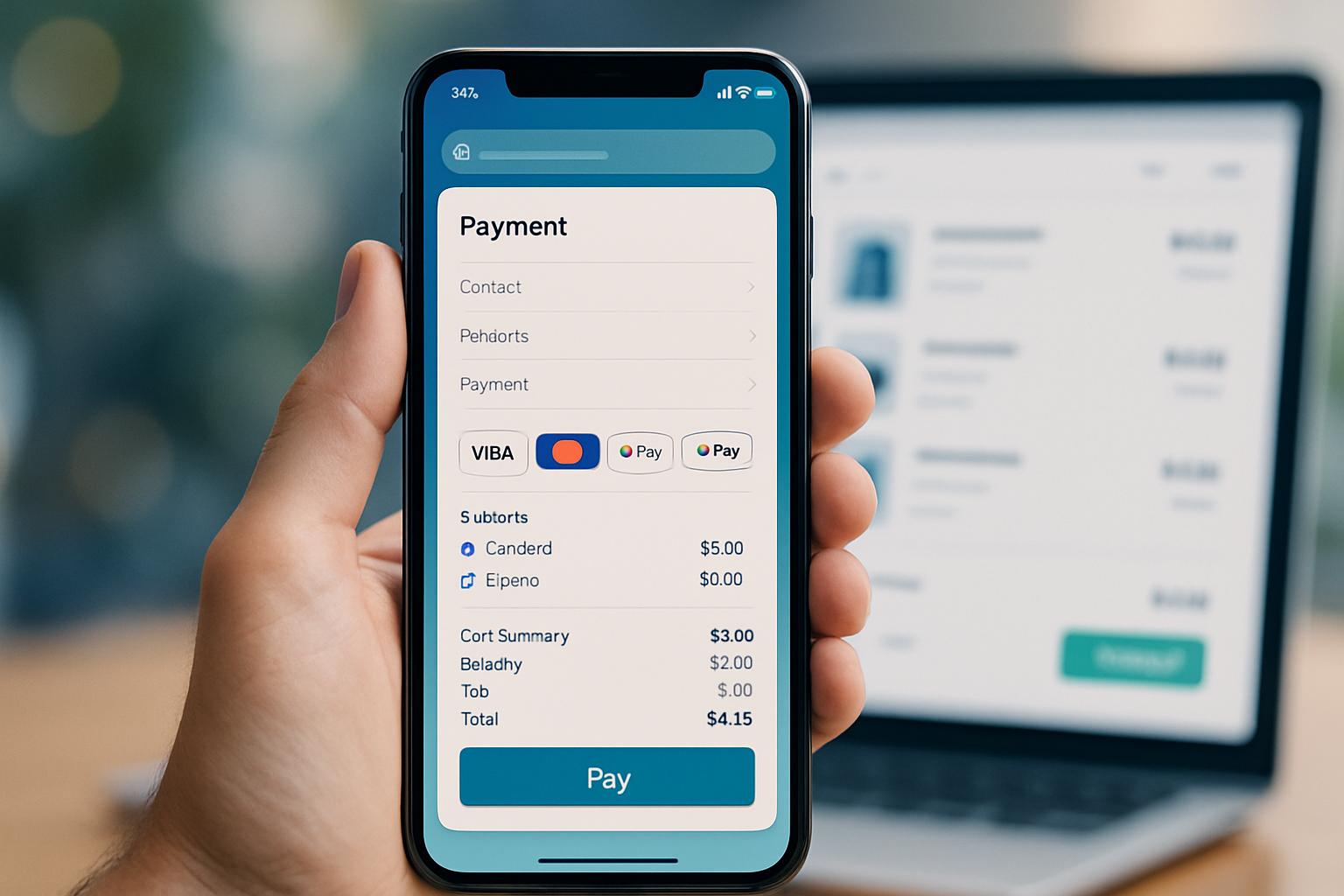
The Payment Request API is a browser-level interface that streamlines collecting payment details (card, shipping, payer info) during checkout. It aims to reduce friction by letting the browser and/or a payment handler provide and transmit payment instruments to the merchant in a standardized, secure flow.
Why the controversy? (Short answer up front.)
People worry because checkout touches highly sensitive data: card numbers, addresses, and names. Critics say centralized browser behavior or third-party payment handlers could leak or fingerprint users. Advocates counter that the API, when used correctly, reduces data handling by merchants and pushes many risks to better-audited platform components. The truth sits between those positions.
What data can be exposed - and to whom?
- Data the merchant requests: card details (tokenized or raw), payer name, email, phone, and shipping address. Only the fields you ask for are returned.
- Browser and payment handler: the browser coordinates requests and the selected payment handler (e.g., built-in card store, third-party service) may provide payment tokens or other data.
- Network endpoints: the merchant’s server and any payment processors it calls.
Important nuance: modern browsers generally give the merchant exactly what it requested and no more. But a bad implementation or insecure backend can still leak what it receives.
Common attack vectors and privacy concerns
- Fingerprinting via Held Payment Methods: Browsers or installed payment handlers may differ per user; repeated queries could leak device or extension state and be used to fingerprint users.
- Malicious merchant or script: If a merchant site itself is compromised, the API will return requested fields to that origin. The API does not protect against a malicious origin.
- Network interception: If TLS is broken or mixed content is allowed, sensitive payment payloads can be intercepted in transit.
- Over-requesting data: Asking for shipping address + email + phone when only a card token is necessary increases the attack surface and privacy risk.
- Payment handler misbehavior: Third-party handlers could be poorly secured or intentionally collect extra telemetry.
Browser and spec mitigations (what the platform already does)
- Secure contexts only: The API requires HTTPS (secure context) - it will not run on HTTP.
- User gesture and UI: Payment Request flows typically require a user gesture to open and show a standardized browser UI. This reduces silent fingerprinting and unexpected prompts.
- Same-origin protections: Data is returned only to the origin that requested it.
- Limited repeated probing: Browsers implement heuristics and UX limits to make large-scale automated probing harder.
For the formal spec and security/privacy sections see the W3C Payment Request API documentation and security considerations: https://www.w3.org/TR/payment-request/ and background at MDN: https://developer.mozilla.org/en-US/docs/Web/API/Payment_Request_API
How the API can reduce - or increase - risk
Reduces risk when you:
- Avoid collecting raw card numbers and use tokenized payment instruments from payment handlers.
- Let the browser or a PCI-compliant payment handler store and provide sensitive data rather than storing it on your servers.
Increases risk when you:
- Ask for more data than needed (e.g., full shipping address for a downloadable product).
- Show PaymentRequest without proper user-gesture or validation.
- Implement client-side logic that leaks response fields to third parties (analytics, tracking scripts).
Practical security and privacy best practices for implementers
Follow these steps to keep user data safe when using Payment Request API:
- Minimize requested fields
- Request only what you need. If you only need a payment token, don’t request shipping or payer contact details. Fewer requested fields = smaller attack surface.
- Prefer tokenization and payment handlers
- Accept payment tokens (e.g., PaymentMethod data that maps to tokenized cards) instead of raw PANs where possible. Tokenization reduces PCI scope and raw-data exposure.
- Require secure contexts and strict TLS
- Serve the entire checkout flow over HTTPS with HSTS. Ensure certificates, chain validation, and TLS configuration follow modern best practices.
- Enforce server-side validation and minimal persistence
- Treat Payment Request responses as untrusted input. Validate them on your server and avoid persistent storage of sensitive fields unless required, and then store them under strict controls (encryption at rest, access controls, logging).
- Use Content Security Policy (CSP) and Subresource Integrity (SRI)
- Restrict where scripts and frames can load from to reduce the chance that a third-party script will capture or exfiltrate data.
- Don’t leak data to analytics or third-party scripts
- Make sure the payment response and any sensitive fields never reach ad networks or analytics systems. Segment dataflows so payment data paths are tightly controlled.
- Require and verify user gestures
- Only call show() in response to an explicit user gesture and avoid automatic, invisible calls which can be abused for probing and fingerprinting.
- Use short timeouts and ephemeral state
- Keep PaymentRequest instances short-lived. Invalidate responses on inactivity and avoid caching sensitive responses in client-side storage.
- Monitor and audit payment handlers you recommend
- If you integrate or recommend third-party payment handlers, evaluate their security posture and privacy policies. Prefer handlers with audits and clear data-handling practices.
- Align with standards like PCI-DSS where relevant
- If you must process raw card data, ensure you follow Payment Card Industry Data Security Standard requirements: https://www.pcisecuritystandards.org/
Minimal example - ask for only what’s needed
const methodData = [
  {
    supportedMethods: ['basic-card'],
  },
];
const details = {
  total: { label: 'Total', amount: { currency: 'USD', value: '9.99' } },
};
const options = {
  requestPayerEmail: false,
  requestPayerName: false,
  requestShipping: false,
};

const request = new PaymentRequest(methodData, details, options);
// Only trigger this inside a user gesture (e.g., button click)
request.show().then(paymentResponse => {
  // Send paymentResponse to your server over TLS for processing
});
Operational checklist for product and security teams
- Map data flows: where does each piece of payment data go?
- Reduce collection: only ask for necessary fields.
- Harden the checkout page: CSP, SRI, auditing third-party scripts.
- Audit backends: ensure TLS, encryption at rest, and minimal logs.
- Train devs: avoid anti-patterns like exposing responses to global scope.
- Review payment handlers: verify privacy policies and security assessments.
Threat model examples (concrete scenarios)
- Scenario A - Good: A merchant uses Payment Request to receive a tokenized payment method from the browser. The merchant never sees raw PANs. The token is processed server-side by a PCI-compliant gateway. User data exposure is minimal.
- Scenario B - Bad: A merchant requests payer name and shipping address everywhere and logs these in clear text to third-party analytics. A breach or misconfiguration leaks user addresses and magnifies privacy harm.
How browser vendors and regulators fit in
Browsers can (and do) improve protections by restricting probing, providing clear UI affordances, and requiring secure contexts. Regulators and standards bodies can clarify obligations around telemetry, consent, and cross-border data sharing. For now, responsibility is shared: platform, merchant, and payment service providers all have roles to play.
Further reading and specifications:
- W3C Payment Request API: https://www.w3.org/TR/payment-request/
- MDN Web Docs: Payment Request API: https://developer.mozilla.org/en-US/docs/Web/API/Payment_Request_API
- Web Payments (web.dev): https://web.dev/payments/
- PCI Security Standards: https://www.pcisecuritystandards.org/
- OWASP guidance: https://owasp.org
Final verdict - are Payment Request APIs safe for user data?
Yes - when used deliberately and correctly. The API is a tool that can reduce merchant-side exposure by moving sensitive handling to the browser or audited payment handlers and enabling tokenization. But it is not a magic shield. Misuse - over-requesting data, lax backend practices, or careless integration with third-party scripts - will still create privacy and security problems.
Be conservative about what you request. Treat payment responses as sensitive input and lock down every path that touches them. Follow the platform’s secure defaults and combine them with server-side controls. Do that, and Payment Request will more often be a net privacy win rather than a liability.