· career · 6 min read
Breaking Myths: Why Contributing to Open Source Isn't Just for Beginners
Contributing to open source isn't a beginner's playground - it's a strategic lever senior engineers can use to sharpen craft, expand influence, and build networks. This post explains why and how experienced developers should contribute high-impact work.

Outcome first: By the end of this article you’ll know exactly why contributing to open source is a high-leverage move for experienced engineers and have a clear 30/60/90‑day plan to make contributions that pay dividends for your career, your team, and the projects you care about.
The myth, bluntly put
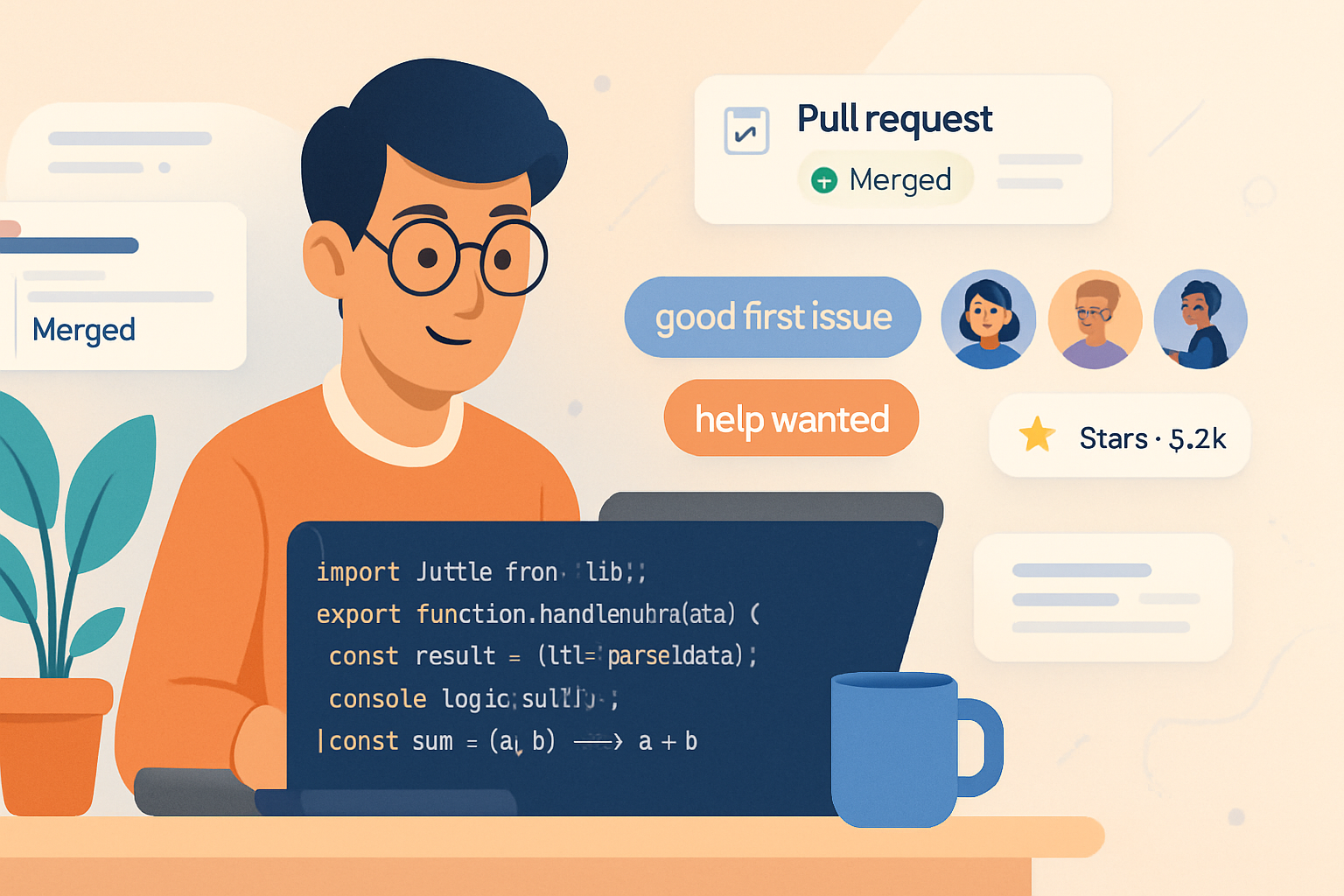
Many people think open source is where beginners learn to commit and get feedback. That’s partly true - it’s a fantastic learning environment. But thinking contribution stops there is a mistake. It understates the complexity of mature projects and ignores the real upside for senior engineers: leadership, influence, cross‑company collaboration, reputational capital, and opportunities to solve large, meaningful problems.
Short version: open source is a marketplace of impact. The biggest wins go to people who know how to deliver them - and that is often experienced engineers.
Why experienced engineers get more than just karma from open source
Here are concrete, strategic reasons senior engineers should contribute.
- Networking across companies and domains
- Large open source projects bring together engineers from competitors and collaborators. That neutral ground builds relationships that rarely form inside a single company. Those relationships translate into hiring signals, partnership opportunities, and faster cross‑org problem solving.
- Data: GitHub’s annual reports and industry research repeatedly show open source as a central hub for collaboration and hiring in the software ecosystem ([GitHub Octoverse][github]).
- Sharpening system design and architecture skills
- Mature projects impose constraints at scale: careful API design, backwards compatibility, migration strategies, performance optimization, and operational concerns. These are the big architectural problems you rarely see in isolated internal projects.
- Working on these exposes you to tough tradeoffs and forces you to think about long‑term cost - a senior skill.
- Visibility and reputation (real career ROI)
- Maintaining a high‑impact change, authoring an RFC, or leading an improvement gives you visible artifacts that hiring managers and technical leaders value. It’s proof of thought leadership that resumes and interviews rarely capture.
- The Linux Foundation and industry reports consistently find that open source contributions positively influence hiring and career mobility ([Linux Foundation research][linux]).
- Leadership and mentorship practice at scale
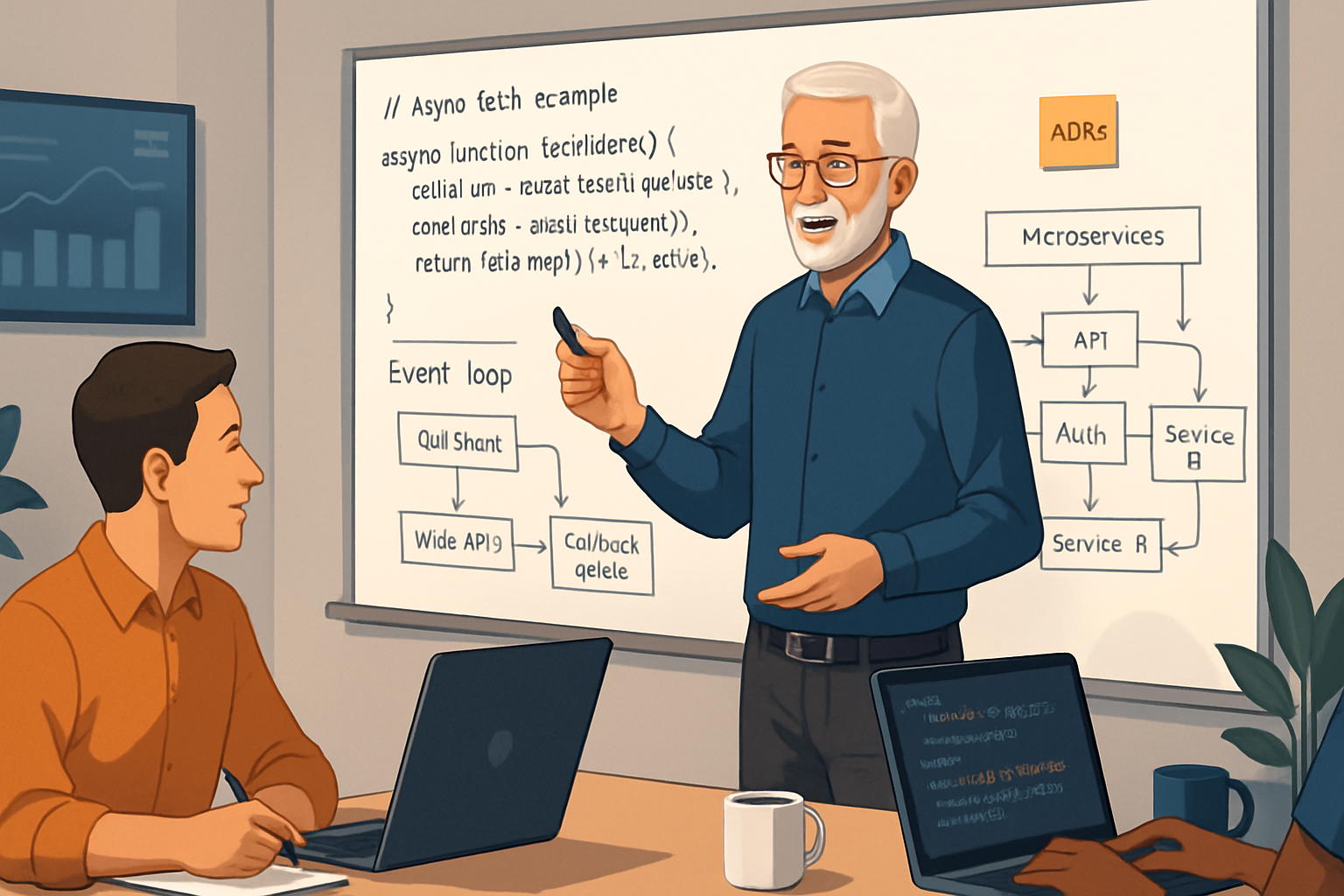
- Being a maintainer or a long‑term contributor means mentoring other contributors, running reviews, defining contribution guidelines, and making final calls on design. These are exactly the leadership activities senior engineers should be doing.
- Access to different technical patterns and tooling
- You’ll encounter different language ecosystems, build tools, CI flows, and deployment models. That cross‑pollination makes you a better designer and problem solver back at work.
- Influence product direction and standards
- Contributing at the architectural level - change proposals, governance, or standards - lets you shape the tooling and platforms many companies use. That’s strategic influence with ripple effects.
- Safety, security, and performance expertise
- Mature projects need security reviews, threat modeling, auditability, and performance tuning. Senior engineers often have the systems knowledge to contribute here in ways beginners cannot.
Common senior contribution roles (beyond writing code)
- Maintainer / Committer: curates releases, merges changes, enforces quality.
- Architect / RFC Author: proposes and defends major design decisions.
- Reviewer / Gatekeeper: reviews complex patches for correctness and performance.
- Mentor / Reviewer for new contributors: reduces churn and raises project quality.
- SIG / WG (Special Interest Group) lead: coordinates a cross‑project effort.
- Security auditor: triages and fixes vulnerabilities.
Each of these roles multiplies your impact more than a single pull request ever could.
How to contribute as an experienced engineer - practical playbook
High‑impact contributions are not the same as “first PRs.” Here’s a reproducible approach.
- Choose projects strategically
- Align with where you want influence: tooling your industry uses, libraries your company depends on, or projects advancing the domains you care about (security, data infra, ML infra, etc.).
- Use signals: project health (recent releases), active maintainer base, clear governance, and an engaged community.
- Look for high‑leverage work
- Labels to target: performance, security, refactor, design, architecture, release, docs (for complex workflows), or RFCs. Skip only superficial issues.
- Search for large tickets, milestone backlogs, or project roadmaps and offer to own one.
- Start with discovery, not a giant PR
- Open a conversation: propose an RFC, discuss on the mailing list, or create a Github issue describing your intended change. This reduces rework and shows respect for the maintainers’ perspective.
- Break work into reviewer‑friendly steps
- Large changes should be split into small, reviewable commits and incremental PRs. Provide clear rationale, benchmarks, and migration paths.
- Ship design documents and tests
- For architectural changes, ship an RFC. For code, include tests, benchmarks, and migration guides. Senior engineers add the non‑code artifacts that make complex changes possible.
- Mentor and transfer knowledge
- Pair with maintainers, review newcomer PRs, and write developer docs. Those activities cement your reputation and scale your impact.
- Handle legal & employer policy up front
- Check your employer’s open source policy, NDAs, IP assignments, and whether you need permission to contribute. Many companies have clear procedures - follow them.
- Be consistent and visible
- Regular small contributions and thoughtful reviews raise your profile faster than a single large one. Also speak at community calls or write a case study about the work.
30/60/90 day plan for senior contributors
30 days
- Pick 1–2 projects and subscribe to mailing lists/Slack/Discord. Read contributing docs, governance, and open RFCs. File one exploratory issue or comment to start a conversation.
60 days
- Own a concrete piece of work (bug, refactor, RFC). Submit an initial PR that’s small but sets the pattern for larger changes. Start reviewing PRs from others.
90 days
- Land the first major change or shepherd an RFC through approval. Offer to co‑maintain a submodule or own a minor release. Publicize the work with a short blog post or talk.
This cadence builds trust and delivers visible results.
Measuring return on investment
Track metrics that matter to you and stakeholders:
- Tangible outputs: PRs merged, RFCs approved, releases cut, issues resolved.
- Influence: invited talks, maintainer invitations, job offers or hiring interest, cross‑org collaborations initiated.
- Team impact: reduced internal toil (adopted upstream), improved stability, fewer incidents.
If you can point to reduced internal maintenance effort because you upstreamed a fix, that’s a measurable ROI.
Objections and honest tradeoffs
- “I don’t have time.” True. Prioritize high‑leverage activities (design work, reviews). You don’t need to rewrite a codebase to be useful.
- “Legal/IP worries.” Resolve with your employer before work begins. Many companies have approved contribution flows.
- “My company won’t allow it.” Consider contributing to neutral foundations or open source foundations your company already supports.
Stories that illustrate the point
- Maintainers from large companies routinely collaborate on projects like Kubernetes, Linux kernel, and major language ecosystems. Senior engineers often drive core changes such as API stability, scheduling behavior, and release automation - work that benefits thousands of companies and becomes part of their professional legacy.
- Industry reports and surveys point to open source as an engine of hiring and technical influence; contributing publicly increases your professional footprint and lets you influence the standards your company relies on ([GitHub Octoverse][github], [Linux Foundation research][linux], [OpenSSF][openssf]).
Final takeaway (short and sharp)
Contributing to open source isn’t just practice wheels for juniors. It’s a strategic, high‑leverage activity for experienced engineers - a place to exercise leadership, ship durable architecture, build reputation, and form cross‑company networks. If you want influence at scale, start treating open source like the product you can shape, not just a sandbox you visit.
Make one small, high‑leverage contribution this week: propose a design, open a scoped PR, or review two unpaid PRs. You’ll start creating value faster than you think.
References
- GitHub Octoverse - https://octoverse.github.com/
- Linux Foundation - Open Source Jobs Report and research - https://www.linuxfoundation.org/research/
- Open Source Security Foundation (OpenSSF) - https://openssf.org/